
Sacred Places
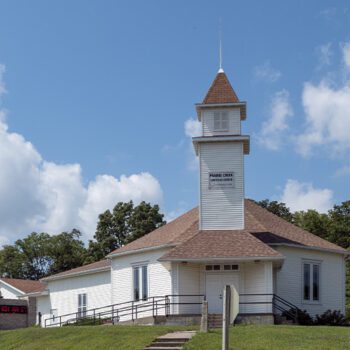
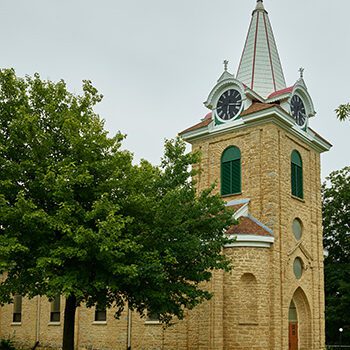
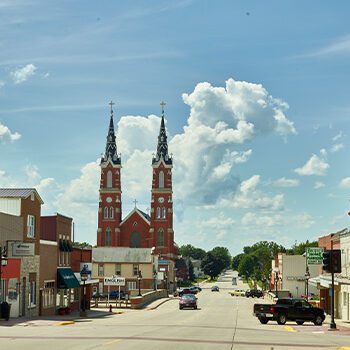
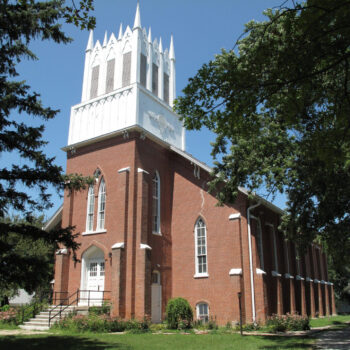
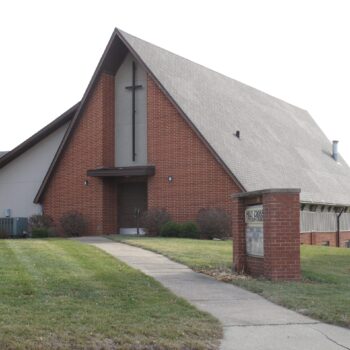
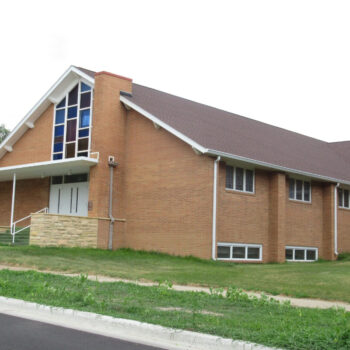
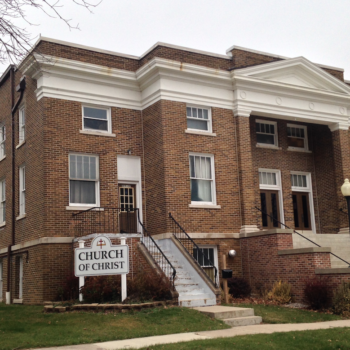
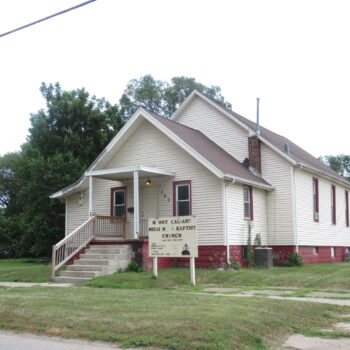
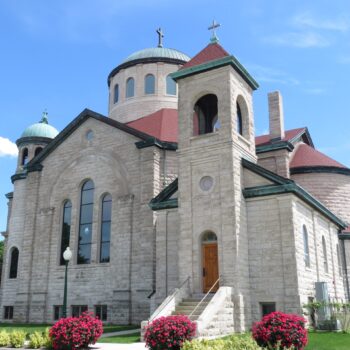
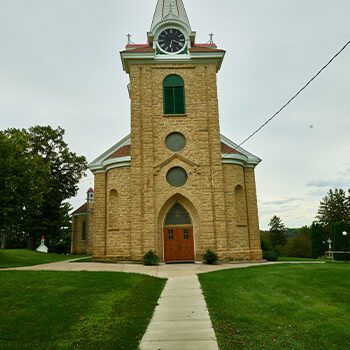
Historic sacred places in Iowa hold historical, architectural, cultural, and spiritual significance, serving as key components of the state’s diverse religious and cultural landscape. These sacred sites – including churches, synagogues, cemeteries, temples, traditional cultural properties, and other sites or places of worship – have been foundational to the lives of Iowa’s residents for generations. They represent the evolving heritage, traditions, and shared values of communities across the state. These buildings not only served as spiritual hubs, but they were (and are) also places where the community gathered for social events, education, and fellowship.
From the earliest settler communities to more recent immigrant populations, these sacred spaces reflect the various religious movements that have shaped Iowa’s social fabric. In many instances, they were the first structures built in a community, serving as the spiritual and social center long before other public buildings or institutions were constructed. Today, many of these sites continue to function as places of worship, community, social life, and connection, while also acting as historical markers that document the development of the state and its people.
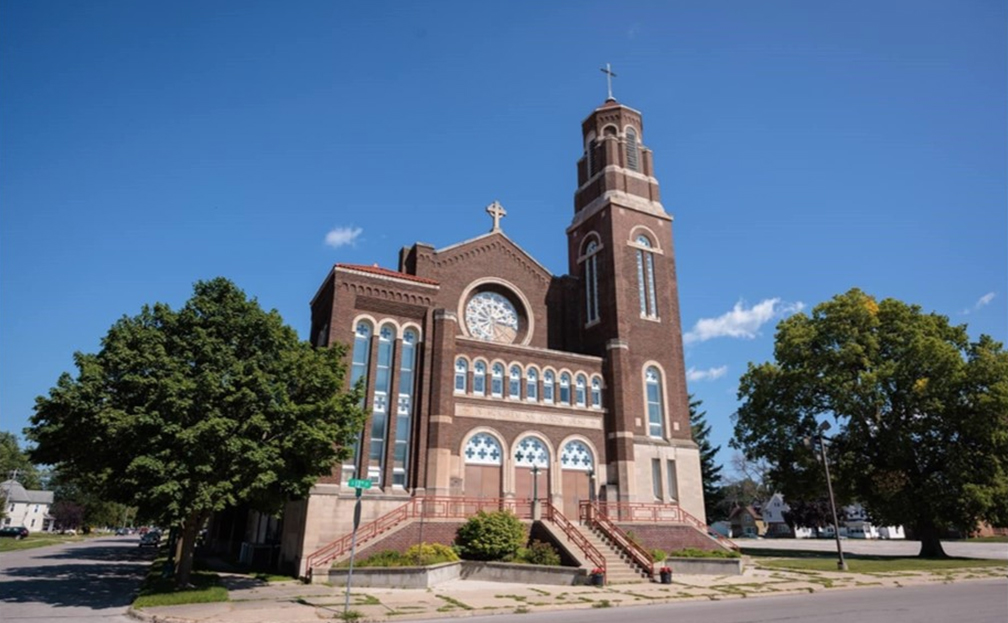
One of the features of sacred places in Iowa is their connection to immigrant communities. In the 19th and early 20th centuries, waves of immigrants – particularly from European countries such as Germany, Ireland, and Poland – brought with them their religious practices and architectural styles. This cultural influence can be seen in many of the state’s historic churches and temples, with their unique designs, stained-glass windows, and ornate interiors that reflect the craftsmanship and religious devotion of those who built them. For example, German Lutheran and other Protestant churches are often designed in the Gothic Revival or Romanesque styles with elaborate woodwork and expansive interiors. Catholic churches in Iowa often reflect Italianate, Baroque, or Romanesque influences, showcasing the heritage of early Irish, German, and Polish settlers. In addition to immigrant religious traditions, Protestant denominations, particularly Methodists and Baptists, have had a strong presence in the state, especially in rural communities. These sacred places were essential to the settlement patterns, spiritual life, and cultural identity of Iowa’s early inhabitants in both rural and urban areas.
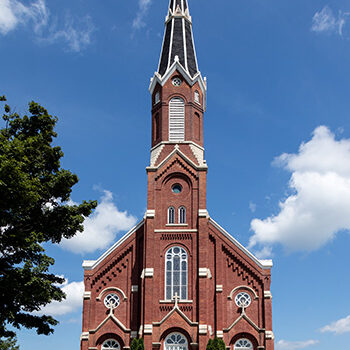
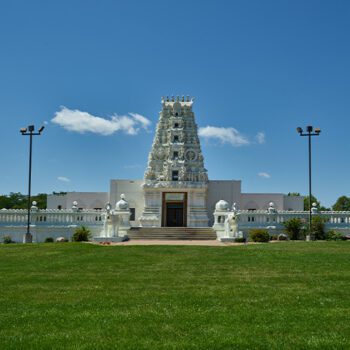
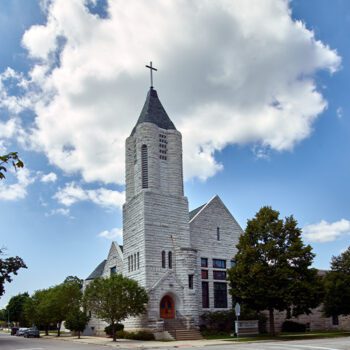

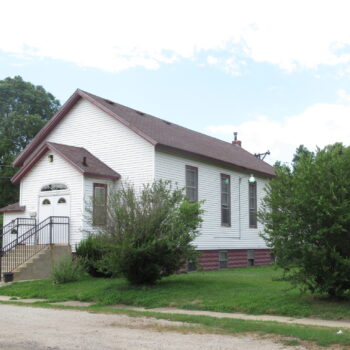
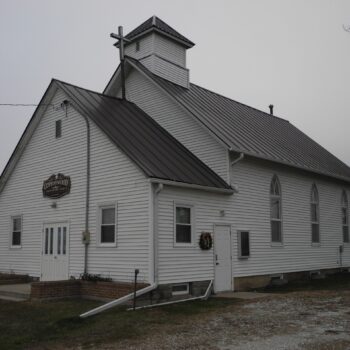
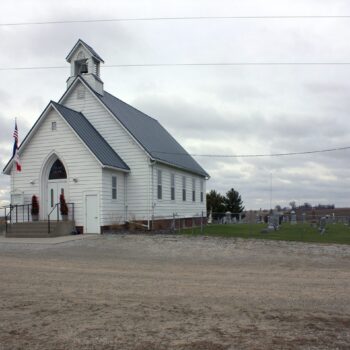
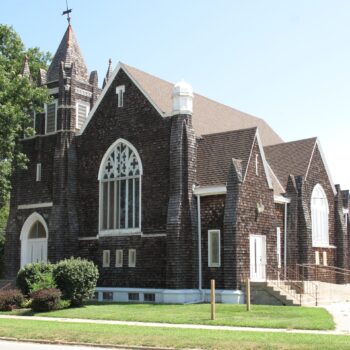
Partners for Sacred Places is a national nonprofit organization dedicated to the preservation and sustainable use of historic religious properties in the United States. Since its founding in 1989, the organization has worked to help congregations and faith communities manage and preserve their sacred spaces, which are often critical not only for religious purposes but also as architectural, cultural, and community assets. Their mission is to promote the care and preservation of historic religious properties, ensuring that these buildings continue to serve as active centers of faith and community engagement. Their work recognizes that many sacred places, including churches, synagogues, temples, and other religious buildings, are integral parts of the cultural and historical heritage of local communities. The organization provides resources, technical assistance, and funding opportunities to help these sites thrive in the modern world while respecting their historic significance. Additional information on Partners for Sacred Places is available online at https://sacredplaces.org.
After the flood of 2008, Preservation Iowa consulted with Partners for Sacred Places on ways to assist disaster-affected sacred places in Cedar Rapids and across the state. During the summer of 2009, Preservation Iowa enlisted Zak Hingst from Iowa City to help assess flood damage to Cedar Rapids sacred places. The full summary and assessment of recovery for each of the Cedar Rapids Sacred Places is available at Survey of Cedar Rapids’ Flood-Damaged Churches.