The Cedar Rapids School District has made plans to close and replace 16 of its elementary schools all but one of which are over 50 years old. Once closed the facilities plan calls for demolishing many of those schools.
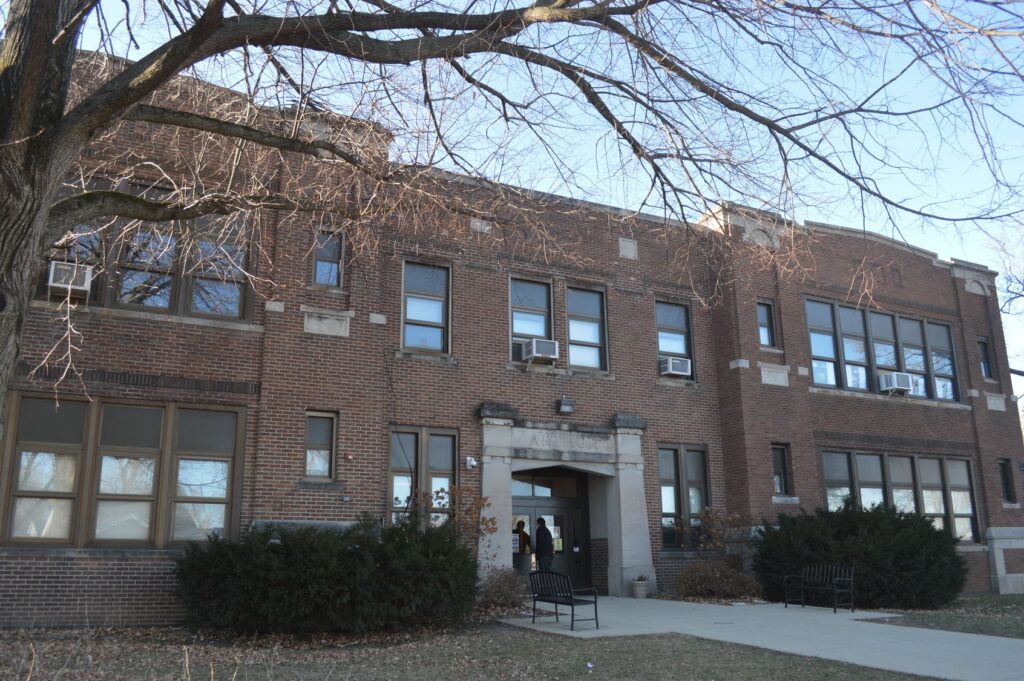
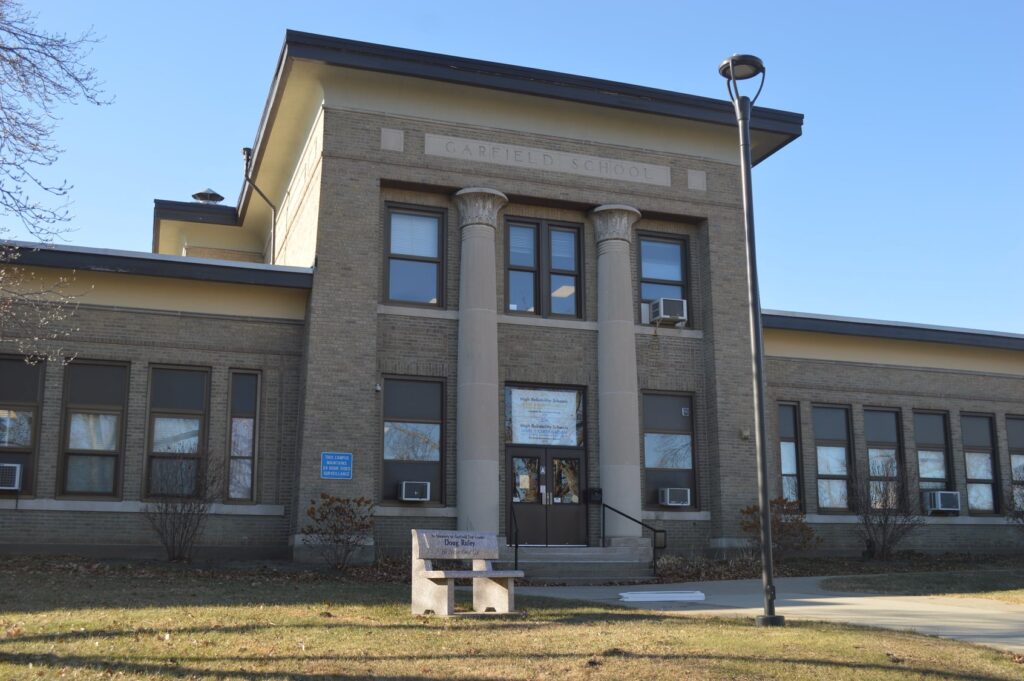
The two oldest buildings, Garfield and Arthur, both opened in 1915. Imposing stone columns loom tall at the entrance of Garfield Elementary, which remains a rare example of Egyptian Revival architecture with hardwood floors and natural woodwork. Arthur Elementary was built in an uncommon fortress/castle design and retains many original features, including transom windows and oak woodwork.
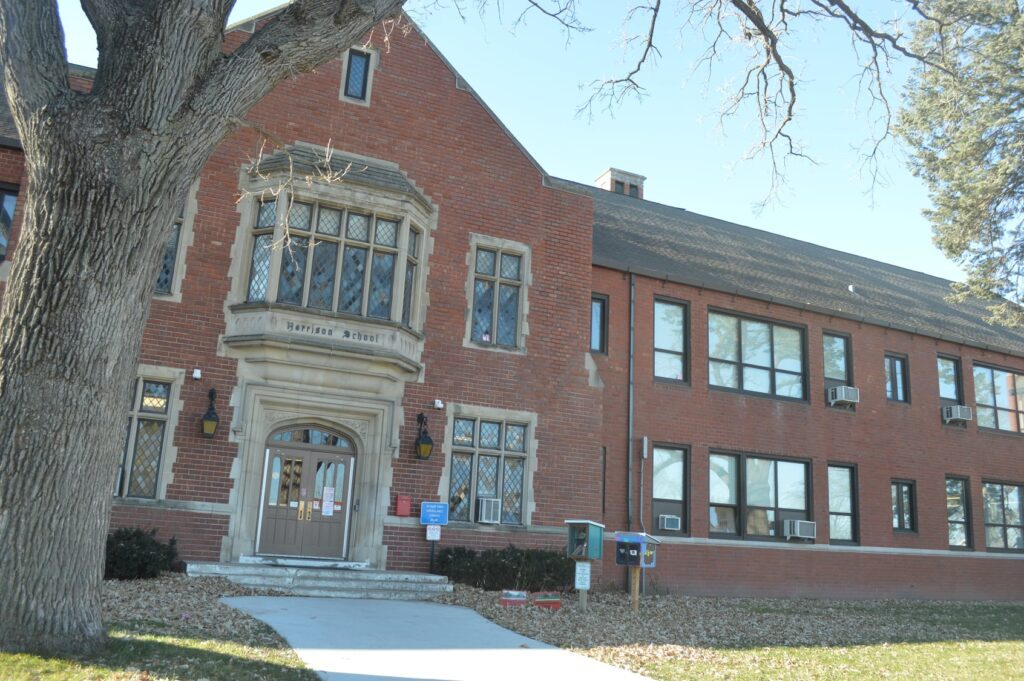
Harrison opened in 1930 and was constructed after the old Harrison School burned in a fire. With its unique English Tudor and Gothic design by Cedar Rapids architect Harry Hunter, the two-story red brick building is the most architecturally significant of the elementary schools, and includes an interior mural in the foyer, created by artist William Henning, a student of renowned artist Grant Wood.
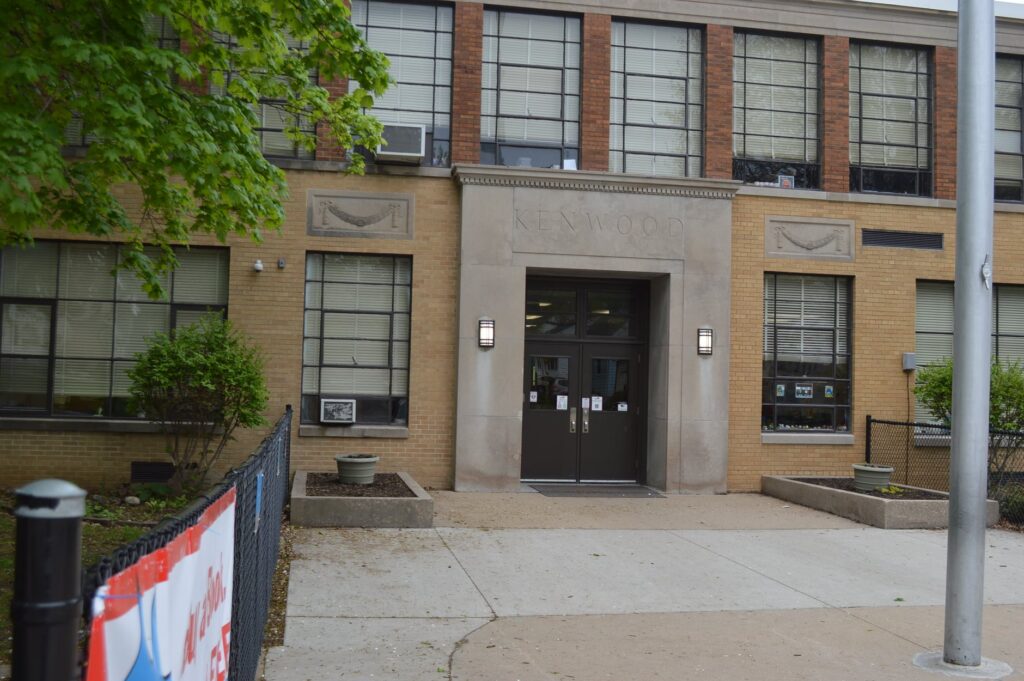
Kenwood, Cleveland and Grant Wood were the first new schools built following World War II and all opened by 1951. Cleveland and Grant Wood were designed to be “sister” schools, and Kenwood features intricate swag ornamental stone reliefs on its exterior.
Erskine, Wright and Hoover schools opened in 1955. Wright Elementary had an airplane form in its design to further acknowledge the Wright brothers legacy and their Cedar Rapids connection.
Madison and Truman schools opened in 1961, with Truman featuring unique pagoda-style architectural details.
Pierce was built in 1965 and Van Buren, Nixon and Johnson all opened in 1970, with Van Buren and Nixon constructed in the same architectural design.
Opened in 1973, Taylor Elementary made a historic comeback after the unprecedented 2008 flood.
All of the buildings are currently structurally sound and in good condition. The schools listed for demolition and replacement are in imminent danger while those listed for closing also could be lost as there are no plans for them to be repurposed. The district plan calls for using the 1 percent sales tax stream known as “SAVE,” to demolish older schools and construct new ones which circumvents a bond issue vote by residents.
The non-profit group Save CR Heritage has worked to raise public awareness of the school district’s plan by hosting a televised public forum and a bus tour of the endangered schools as well as leading a coalition of groups and individuals to speak out in front of the school board.in favor of preserving the historic schools.