
Commercial & Industrial
A commercial or industrial building is a structure specifically designed and constructed to support business, trade, manufacturing, or service-related activities, rather than residential living. These buildings are essential components of the built environment and serve a wide range of economic functions, depending on their intended use.
Commercial buildings are typically designed to accommodate activities such as retail, hospitality, professional services, and office-based work. They are often located in the downtown areas or central business districts of Iowa communities, where visibility and accessibility to customers are key.
In contrast, industrial buildings are constructed for purposes such as manufacturing, warehousing, logistics, and large-scale production. These structures are usually situated on the outskirts of downtowns, in industrial parks, or along major transportation corridors, including highways and rail lines, to allow for the efficient movement of goods and materials.
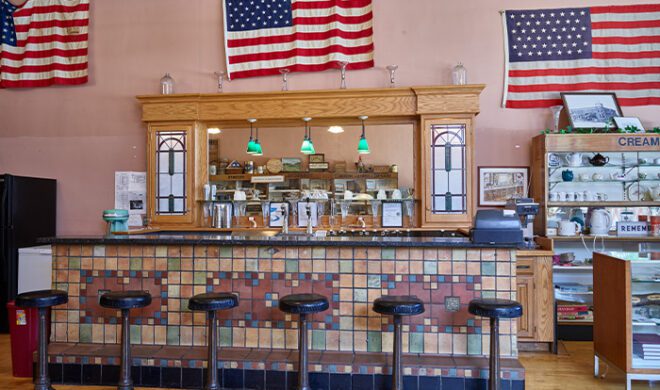
Both commercial and industrial buildings vary in size, form, and construction depending on their specific use, but they are united by their focus on economic productivity and supporting jobs and commerce within the community. Their placement, design, and function reflect not only the needs of businesses and industries but also broader patterns of urban planning and infrastructure development in Iowa and beyond.
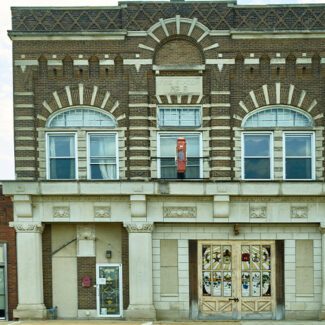
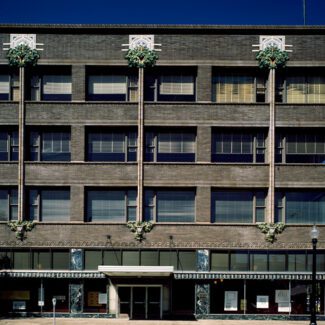
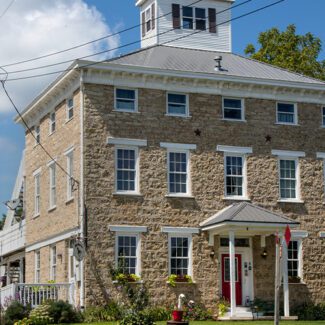
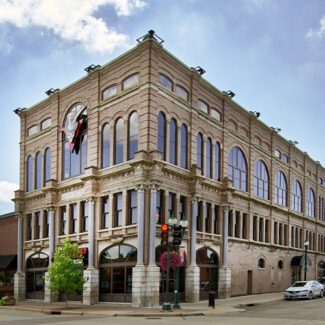
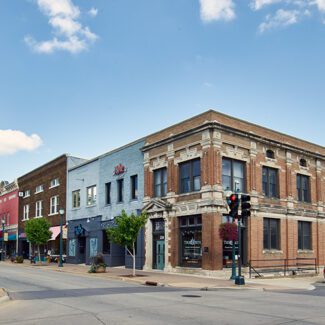
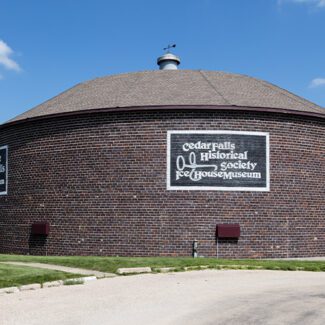
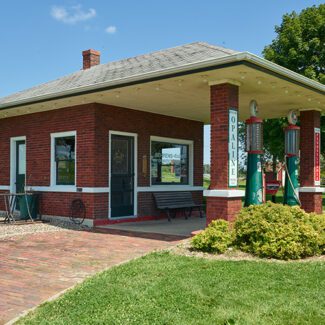
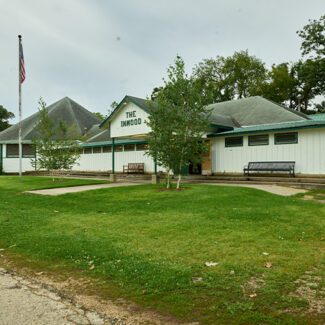
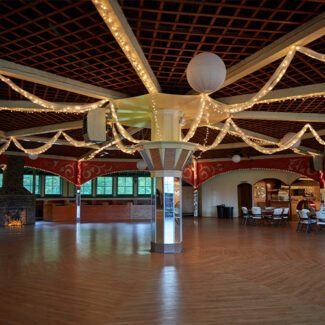
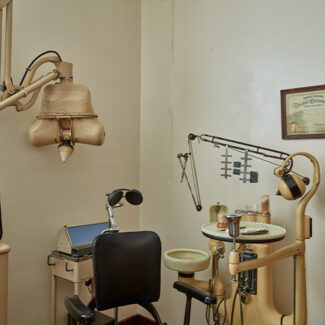
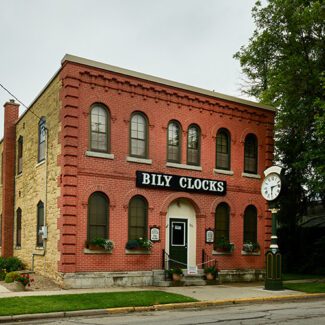
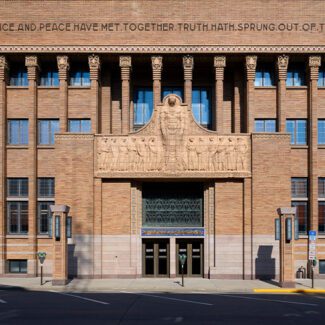
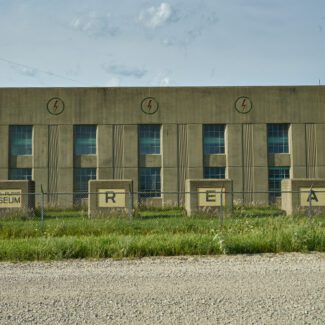
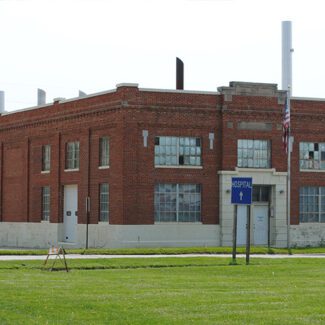
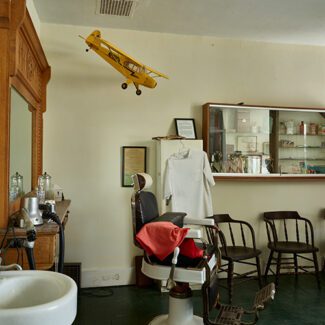
Commercial Buildings: A commercial building is intended for business activities that involve providing goods or services to customers or clients. Commercial buildings in Iowa towns are often found in historic downtown or in neighborhood commercial nodes. Common types of commercial buildings include:
- Office buildings, which are used administrative or professional work
- Retail stores, where goods are sold to consumers
- Restaurants, cafes, and bars
- Hotels and motels
- Banks and financial institutions
- Specialty buildings, such as theaters or gas stations
Industrial Buildings: An industrial building is used for the production, storage, or distribution of goods, and typically supports manufacturing, logistics, or energy sectors. Typical features included high ceilings and wide open floor plans, with heavy structural components often visible. They tend to be located on edges of the downtown, along transportation corridors, or within industrial parks. Common types of industrial buildings include:
- Factories or manufacturing plants, used for producing goods or parts
- Warehouses, used for storing raw materials or finished products
- Distribution centers, used for sorting and delivering goods
- Power plants
- Workshops and machine shops