
Barns
Barns in Iowa are more than just functional buildings; they are an essential part of the state’s agricultural history and cultural heritage. From the early, hand-built structures of the pioneers to the modern barns of today, Iowa’s barns represent the hard work, innovation, and resilience of farming families over the generations. Preservation of these barns is vital to maintaining the state’s agricultural legacy and connecting future generations with Iowa’s rural past.
Historic barns are often referred to as the “Prairie Cathedrals” of Iowa. This term underscores their cultural and symbolic significance. These barns are not just utilitarian structures. They are physical representations of Iowa’s agricultural history, the evolution of farming practices, and the communities that have relied on them for generations. For many, these barns evoke a sense of nostalgia and connection to the land, making their preservation a key component of Iowa’s identity. Barns, in their various forms, also offer a tangible link to the state’s rural past, providing insight into the lives of early settlers, farm families, and Iowa’s rise as an agricultural powerhouse. The designs, materials, and methods used in building these barns also reflect the innovations and adaptations that occurred as farming evolved in Iowa.

Types of Barns in Iowa
The iconic red barn has long been associated with rural America, though barns in Iowa take on many different shapes, sizes, and purposes. Whether they are bank barns, round barns, or modern pole barns, each barn has its own story to tell, tied to the land, the people, and the economy.
Gable Roof Barns
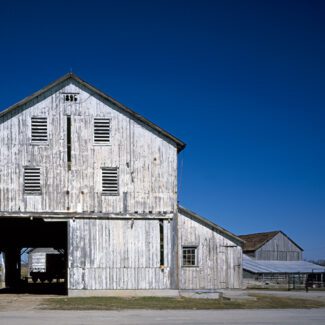
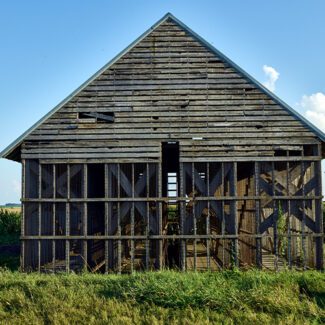
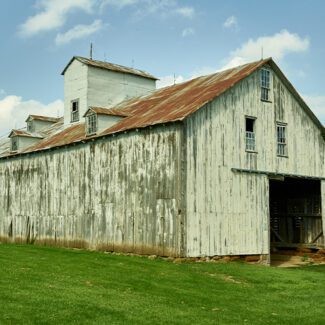
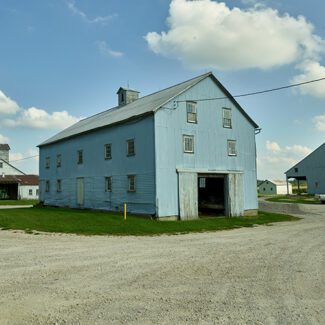
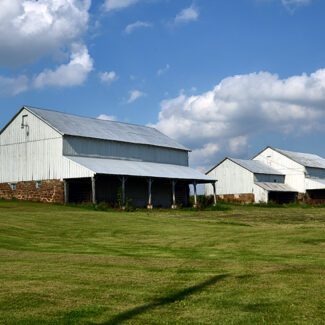
These are perhaps the most recognizable type of barn in Iowa. Characterized by a simple gabled roof, these barns are often symmetrical and feature a central drive-through doorway with large sliding doors. The roof typically slopes in two directions from the ridge, forming a triangular shape at the ends. These barns became popular in the late 19th century and were used for a variety of farming activities, such as livestock housing, storage for hay, and farm equipment.
Bank Barns
Bank barns are built into the side of a hill, allowing for a walk-out basement. The lower level was used for housing livestock, while the upper level was used for hay storage or other supplies. The bank barn’s unique design allows for easy access to both levels, with a ramp or stairs connecting the two. These barns were especially common in areas with hilly terrain or rolling landscapes, where the natural slope helped with ventilation and the flow of feed and hay.
Gambrel Roof Barns
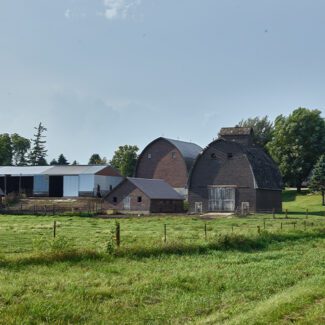
A barn with a gambrel roof is commonly found in rural areas in Iowa. The gambrel roof design consists of two slopes on each side: a steep upper slope and a shallower lower slope. This style is particularly favored for barns because it maximizes loft storage space without increasing the overall height of the structure. It is especially beneficial for certain types of barns like dairy barns, where the upper loft can store hay, while the lower level houses animals or equipment. Additionally, the design facilitates good ventilation, which is advantageous for these uses. The unique shape of the gambrel roof makes these barns a distinctive element of Iowa’s rural landscape.
Round or Polygonal Barns
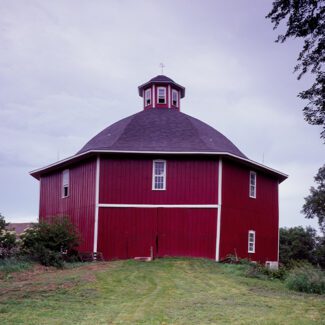
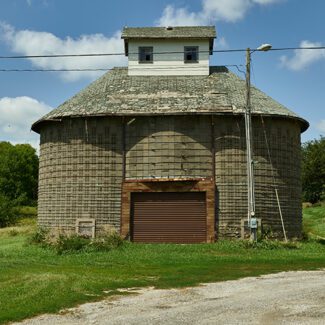
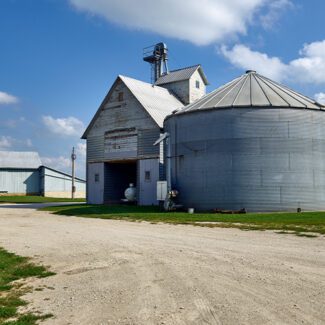
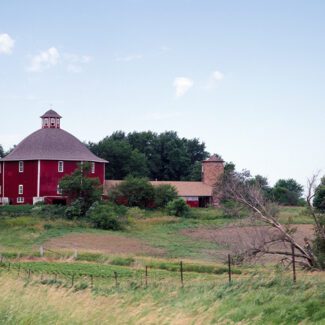
Round barns and polygonal barns are a distinctive feature of Iowa’s agricultural landscape, though they are much rarer today. These barns were designed in a circular or polygonal shape, often with a central silo or a tall cupola in the center. These barns were originally intended to be more efficient, requiring less labor and fewer materials to build while maximizing interior space. The central space was used for housing livestock and storing feed, while the central silo often held grain or silage. These barns were popular in the late 19th and early 20th centuries.
Monoslope Barns
The monoslope barn has a distinctive single-pitched roof, which slopes in one direction, typically from front to back. This design allows for easier construction and increased interior space for storing feed or housing livestock. Common on dairy farms, monoslope barns were well-suited for cattle farming, as they allowed for easier handling and feeding of livestock.
Pole Barns
These modern barns, which are typically made from steel or wood poles, became popular in the middle of the 20th Pole barns are quick to construct and can be built with large open spaces that can accommodate machinery, livestock, or large quantities of feed. These barns are commonly used for livestock, storage of grain, and equipment storage on larger farms. Though often viewed as not as historically significant as traditional barns, pole barns are a key feature of Iowa’s modern agricultural landscape.
Architectural Features of Iowa Barns
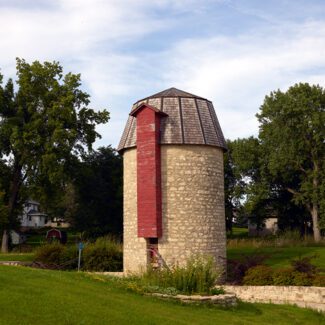
- Materials: Barns in Iowa were traditionally made from locally available materials such as wood or stone, with brick or tile block available later. Early barns were often constructed using timber framing with vertical wood boards on the exterior.
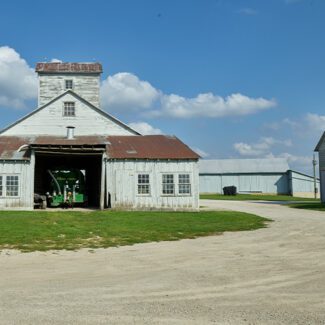
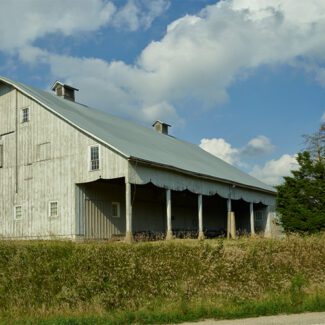
- Cupolas: Many barns, particularly those built in the 19th and early 20th centuries, featured cupolas or small vents on the roof. These architectural features were often used for ventilation, allowing heat and moisture to escape from the barn’s interior.
- Sliding Doors: Barns often had large sliding doors that could open to allow wagons, livestock, or machinery to enter the barn. These doors were an essential design element in older barns.
- Windows: Barns often included small windows for light and ventilation, especially in gable-roof barns. The windows were often arranged symmetrically along the sides of the barn.
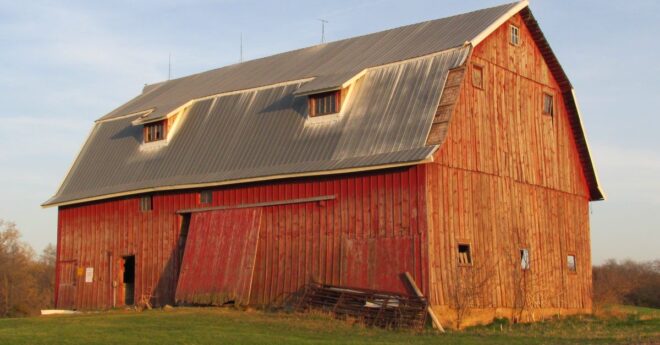
A Diminishing Resource
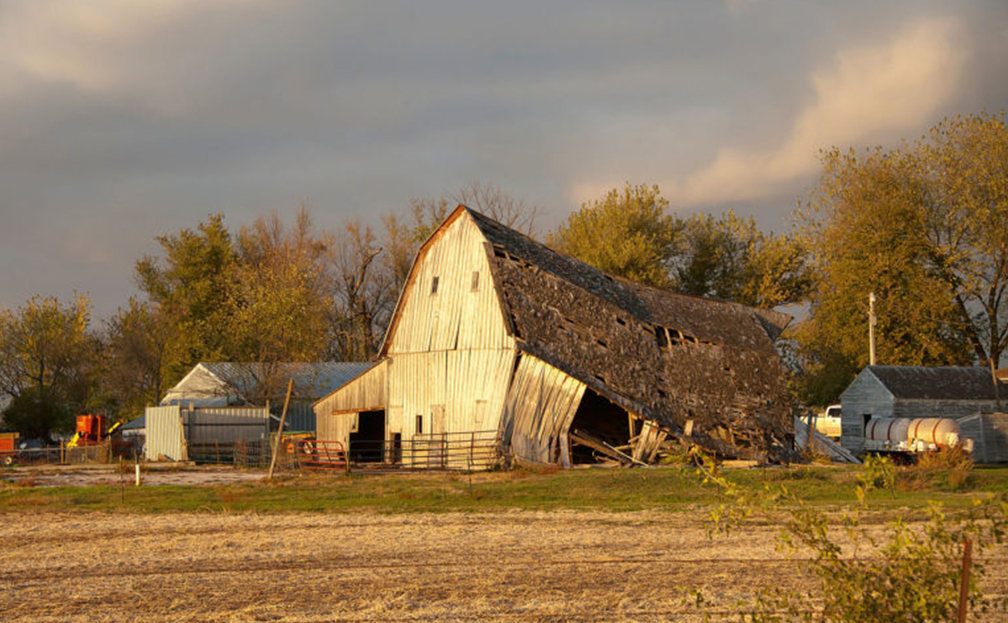
The historic barn is an integral part of Iowa’s agricultural heritage, and the loss of these structures is deeply concerning. Iowa once had over 200,000 barns, with approximately 60,000 remaining. This number continues to decline at an accelerating rate per year. This rapid loss of barns presents a significant challenge for preserving not only Iowa’s architectural legacy but also the sense of place that these barns represent.
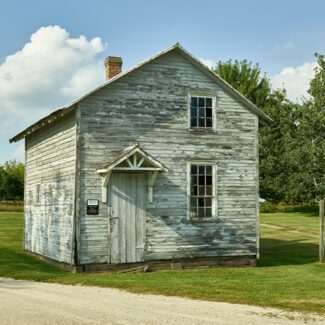
Former Preservation Iowa board member Rod Scott was a strong advocate for preserving Iowa’s historic barns. His efforts resulted in 2005 being declared as “The Year of The Barn and the Family Farm” by Governor Tom Vilsak, a new question being included on the Census of Agriculture regarding the number of barns built before 1960, and children across the state learning how to survey their local historic barns. Preservation Iowa launched a barn survey in 2005. This county-level survey is a simple photographic/reconnaissance survey that local volunteers can complete with local funds. Resources are available below for these local projects, which are encouraged to be archived at the local library and/or historical society.



Additional Barn Resources
Preservation Iowa gratefully acknowledges those who assisted in providing foundation documents used to create these resources, including Steve Stier, Michigan Barn Preservation Network, Michigan State University, and Ashland County, Ohio.