Residential
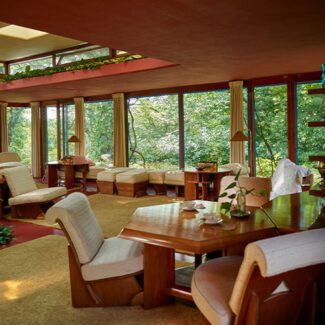
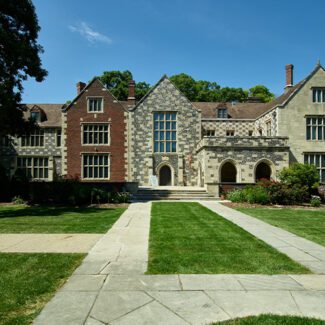
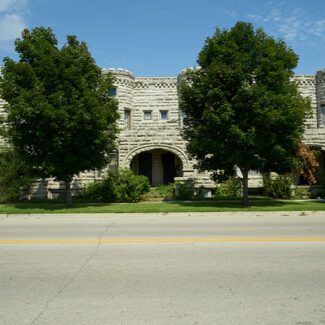
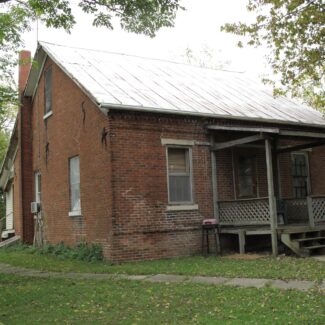
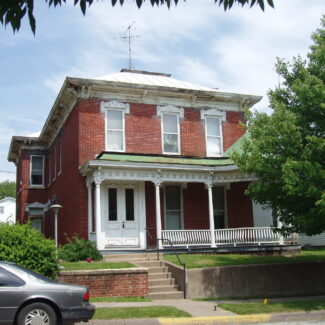
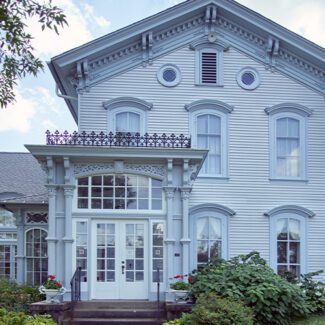
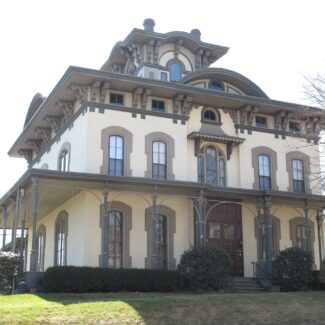
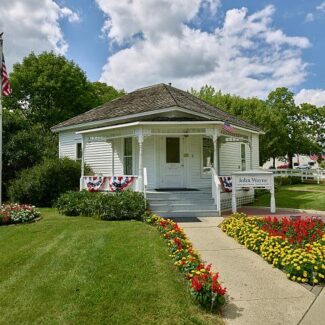
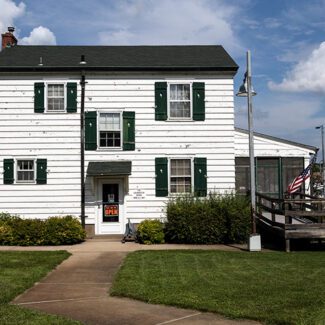
A residential building is any structure primarily designed to provide accommodation for individuals or families, offering spaces for living, sleeping, cooking, and other daily activities. These buildings vary widely in size, architectural style, and functionality, reflecting the diverse needs of residents as well as the unique environmental, cultural, and social characteristics of their locations. Residential buildings are constructed with a focus on comfort, privacy, and security, ensuring that inhabitants have a safe and pleasant environment to live in. They typically include essential living areas such as bedrooms, kitchens, bathrooms, and common living spaces, all designed to support the routines and lifestyles of their occupants.
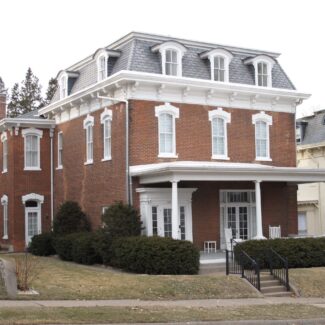
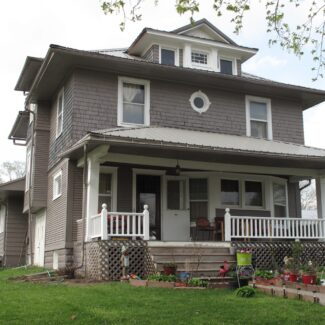
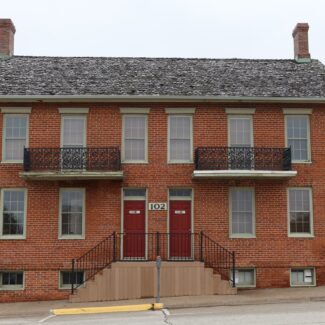
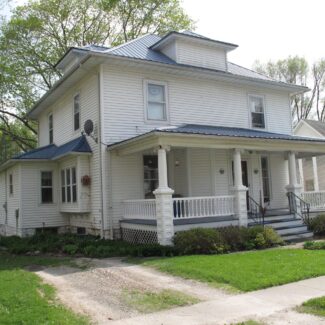
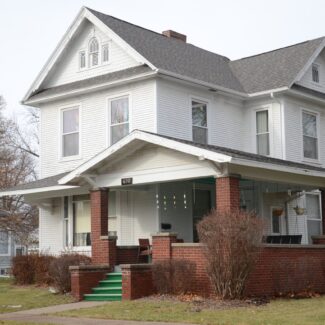
Residential buildings can be found in suburban, urban, or rural settings, with each environment influencing the design, layout, and function of the building. In towns, residential buildings often consist of single-family homes or multi-family properties, such as duplexes, townhouses, or small apartment buildings. These homes are typically spaced out with yards, offering a balance of privacy and community living.
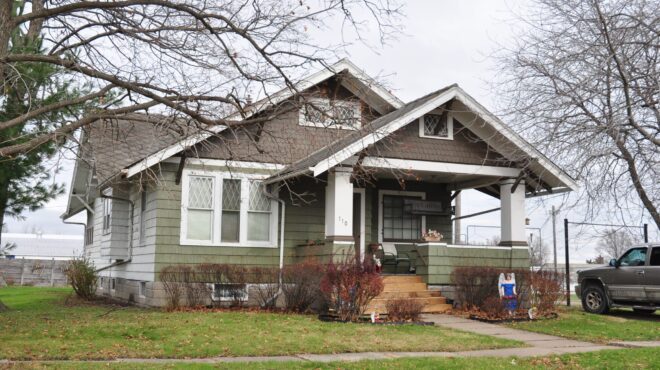
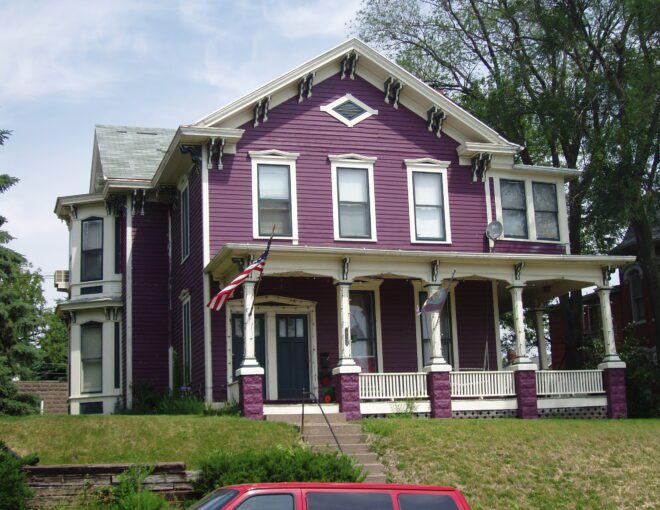
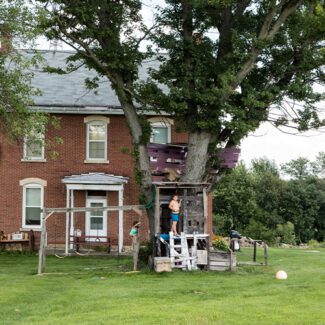
In urban settings, where space is more limited and population density is higher, residential buildings are often multi-story apartment complexes, condominiums, or high-rise towers. These structures are designed to accommodate a larger number of people within a smaller footprint, often with shared amenities such as common spaces, gyms, and parking garages. In rural areas, residential buildings tend to be more spread out, reflecting the vastness of the surrounding landscape. These buildings include farmhouses, cottages, or rural retreats, often located on larger tracts of land and designed to suit the needs of individuals or families living in less densely populated regions.
Residential properties often include a garage, serving as a space for vehicle storage or general utility. Historic garages, however, hold particular significance as early architectural responses to the rise of automobile ownership in the early 20th century. These buildings were originally constructed to house personal vehicles at a time when cars were becoming increasingly common in American life. Unlike modern attached garages, historic garages were typically detached buildings, often located at the rear of the property and accessed via alleys. Their design frequently reflected the architectural style of the home, incorporating similar materials, rooflines, or detailing. These early garages offer more than just a place to park a car—they provide valuable insight into historic patterns of residential design, urban planning, and transportation history.