
Disaster Recovery
Natural disasters such as floods, tornadoes, derechos, and fires can have devastating effects on historic buildings. These resources may be more vulnerable due to their age, construction methods, and materials. These events can cause irreversible damage to architectural features, structural integrity, and cultural significance. In the aftermath, disaster recovery efforts play a critical role in stabilizing and restoring these irreplaceable structures. Preservation professionals, emergency responders, and community organizations work together to assess damage, secure funding, and implement recovery plans that balance urgent repair needs with long-term preservation goals. Proactive planning, including disaster preparedness and risk mitigation, is essential to protect historic resources from future threats.
The following tips offer guidance for property owners, preservation professionals, and communities to better prepare for disasters and navigate the recovery process effectively.
- Pre‑disaster planning: Ensure your building or district has documentation of its historic features, materials, and condition. Work with local historic preservation professionals to understand what losses would impact integrity. Review insurance, flood risks, and mitigation options.
- Damage assessment & documentation: Immediately after the event, document damage (photos and lists) before starting cleanup. Contact local emergency management and historic preservation entities for any damage surveys needed for state/federal assistance.
- Engage funding / assistance: Check with State Historic Preservation Office (SHPO) and Homeland Security and Emergency Management (HSEM) for available grants or funds for repairs and review hazard mitigation plan eligibility.
- Recovery & mitigation: In planning repairs or rehabilitation, align work with preservation standards so historic integrity is maintained. In rebuilding or repairing, consider mitigation upgrades (such as raising elevation, improved drainage) so the building is more resilient, while keeping in mind preservation standards.
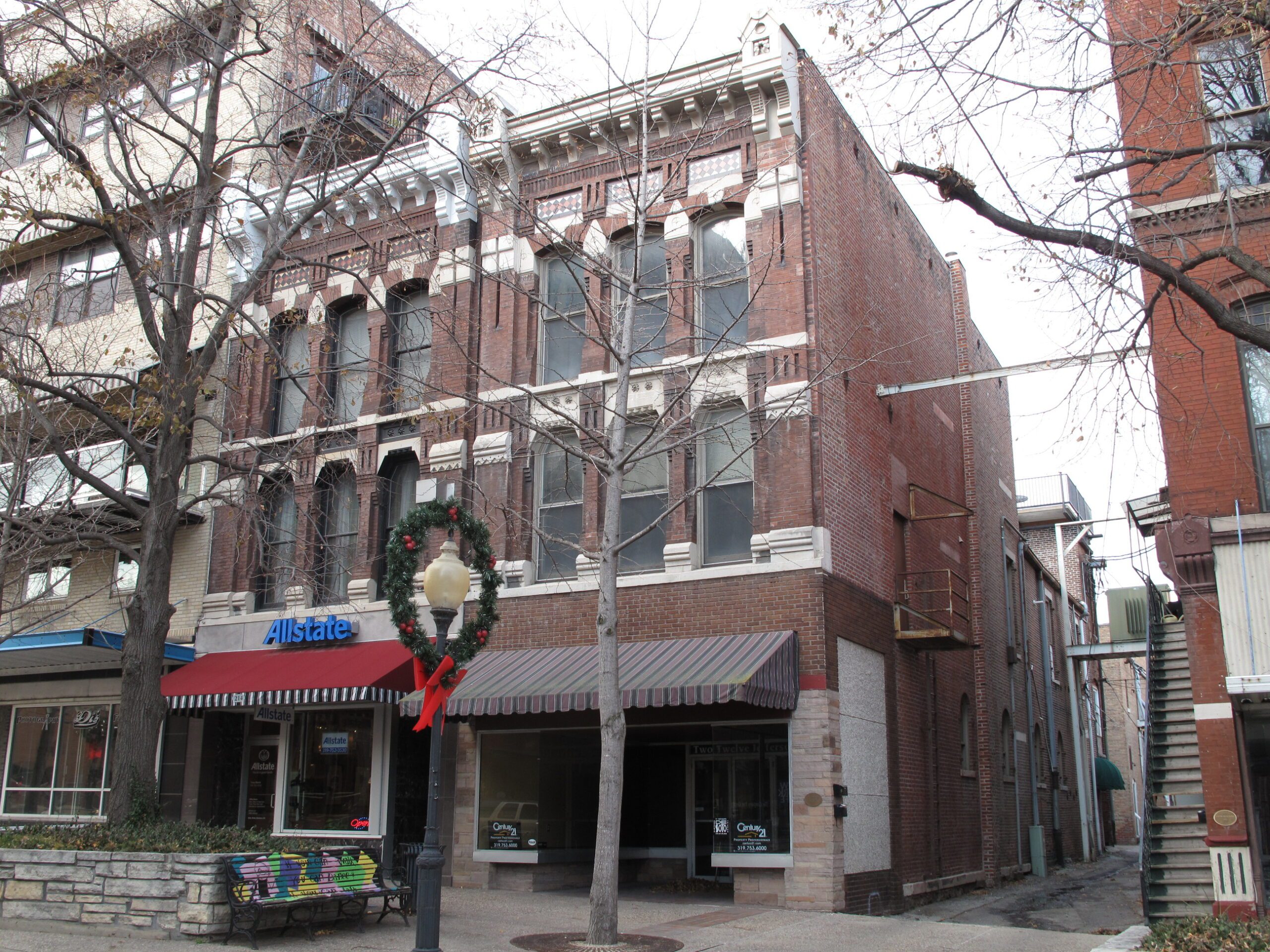
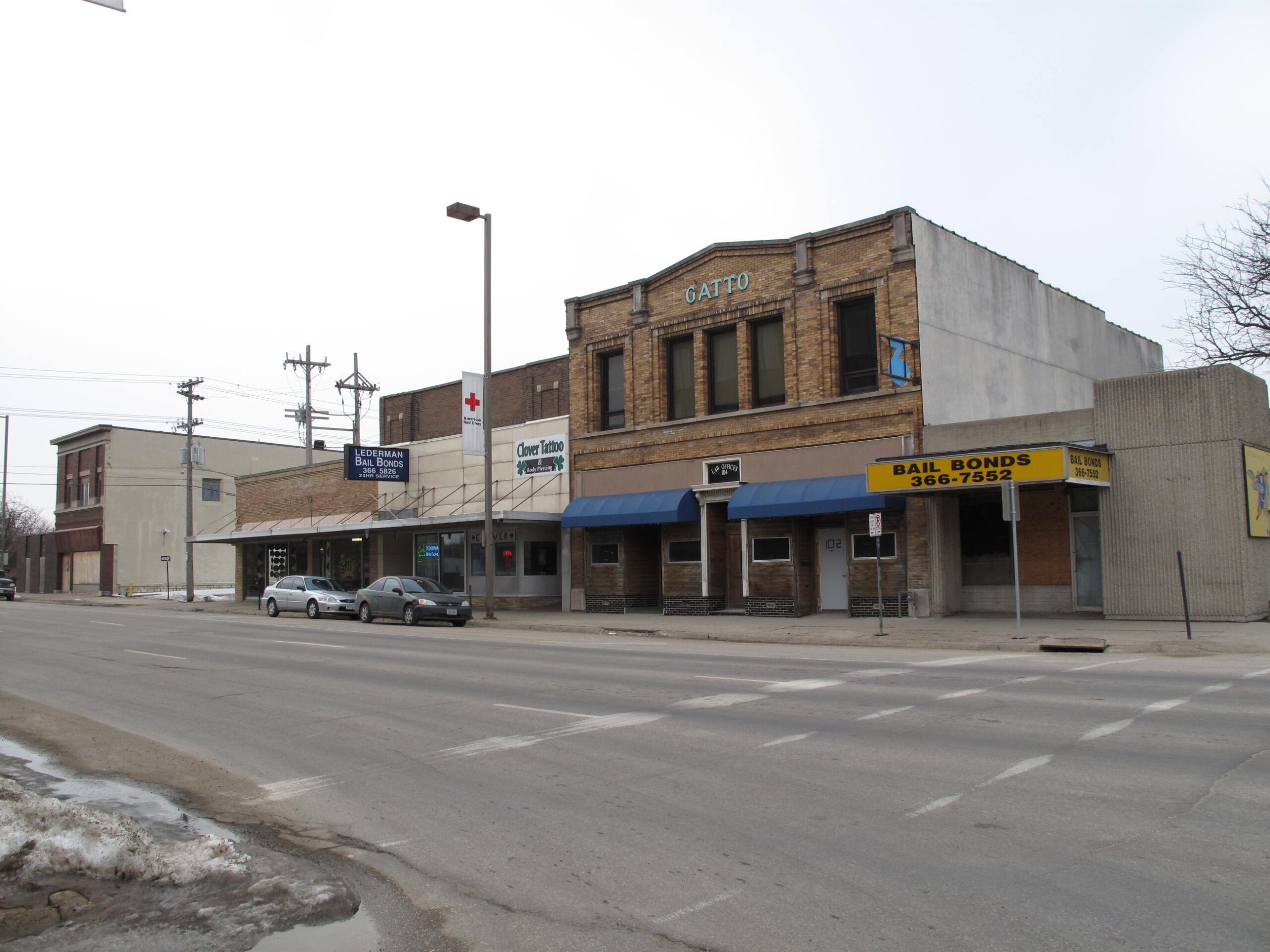
When severe weather across Iowa caused substantial damage to Iowa’s historic resources in 2008, Preservation Iowa worked with the State Historical Society of Iowa, Main Street Iowa, 1000 Friends of Iowa, the Silos and Smokestacks National Heritage Area, and the National Trust for Historic Preservation to identify needs and assist historic property owners in all affected areas of the state. Additional information on the results for the 2008 Disaster Recovery.
As a consulting party to both FEMA and HUD, Preservation Iowa continues to be a voice for saving and reutilizing as many of our irreplaceable historic resources as possible during the rebuilding process.