
State Historic Preservation Tax Credit (STC) program in Iowa
The Iowa Historic Preservation Tax Credit (HTC) is a state-level incentive designed to encourage the rehabilitation and preservation of historic properties throughout Iowa. Administered by the State Historic Preservation Office (SHPO) and the Iowa Economic Development Authority (IEDA), the program provides financial incentives to developers, property owners, and organizations to rehabilitate historic buildings and revitalize Iowa communities, contributing to both cultural heritage and economic development.
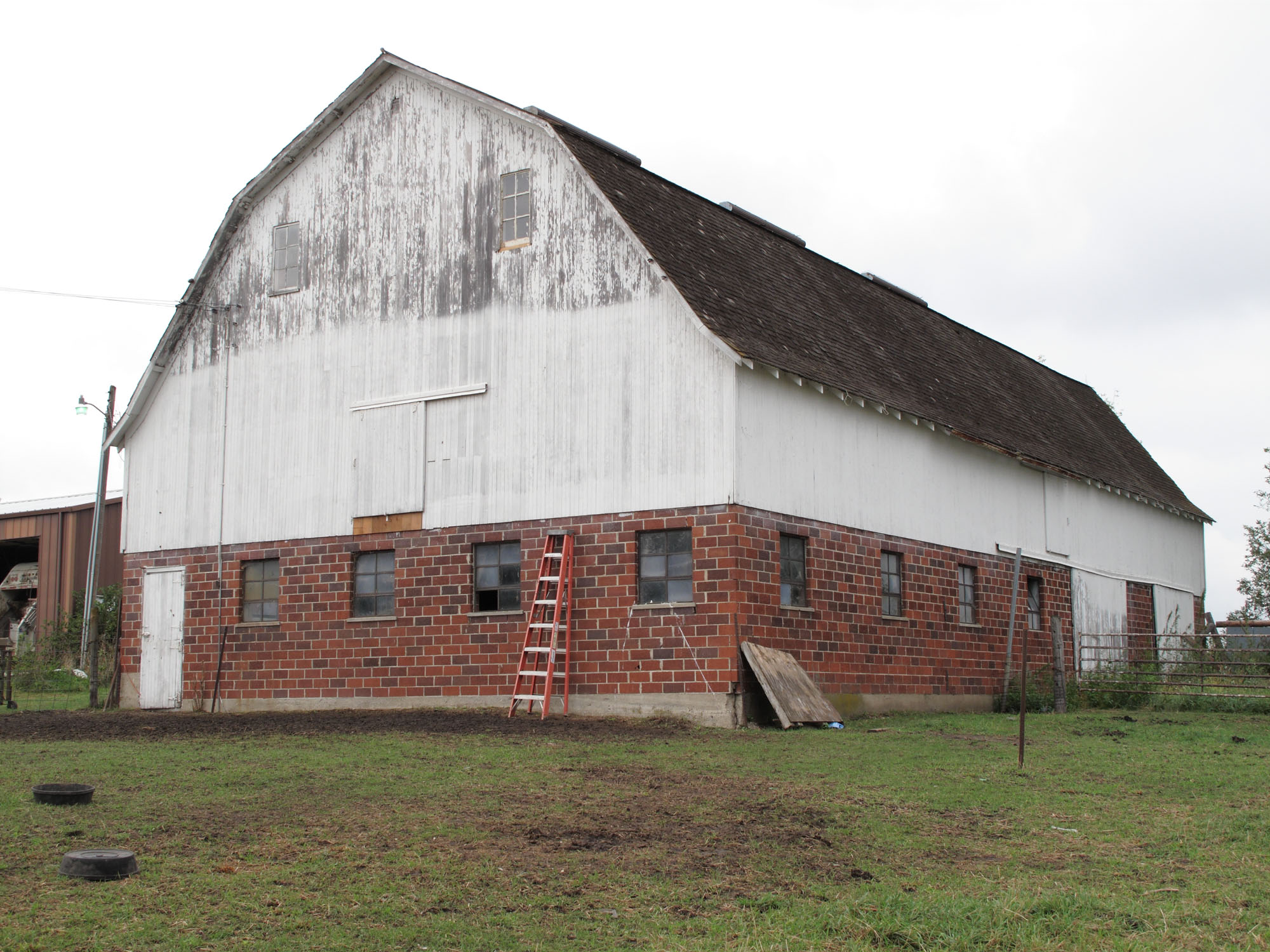
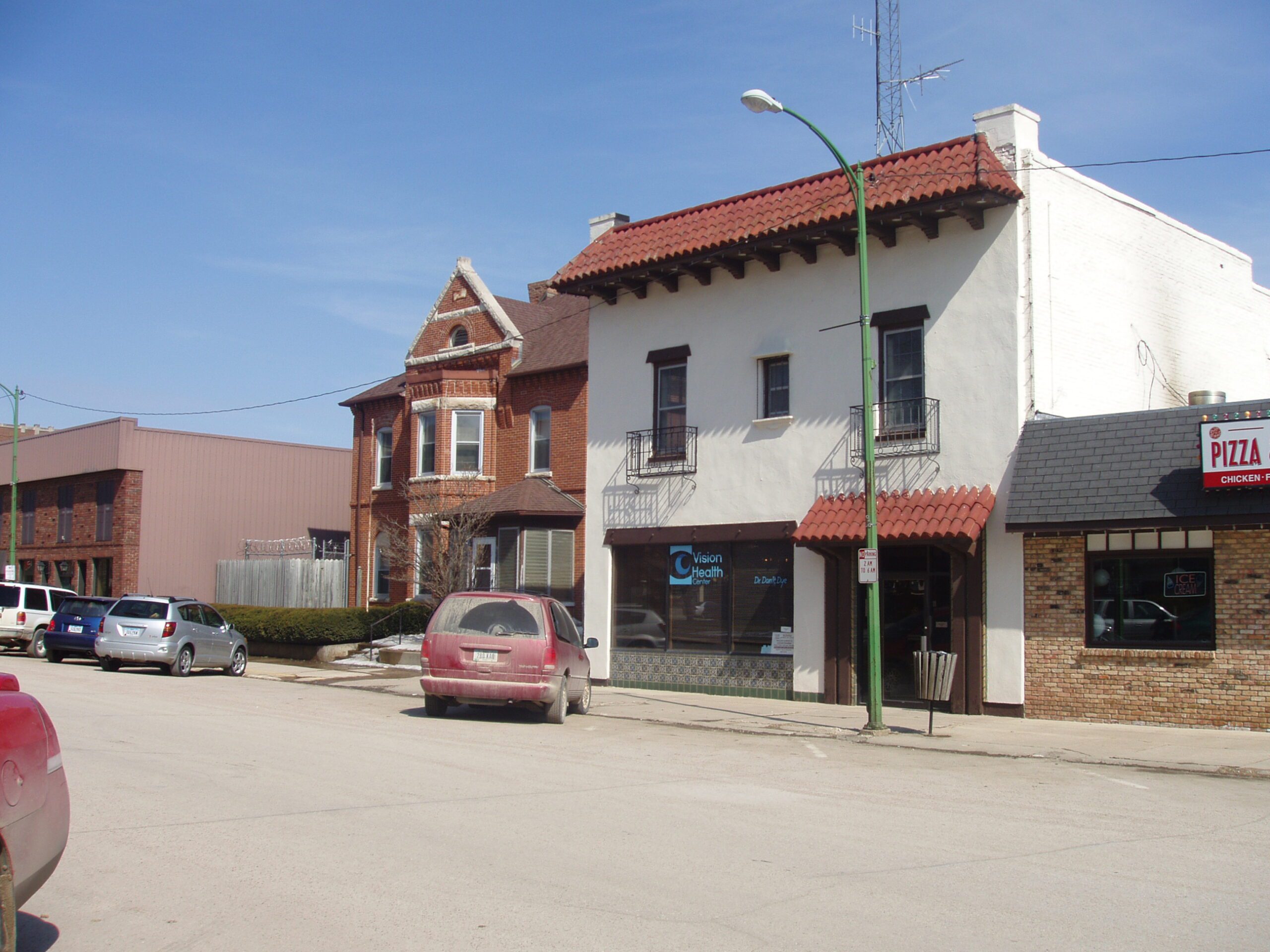
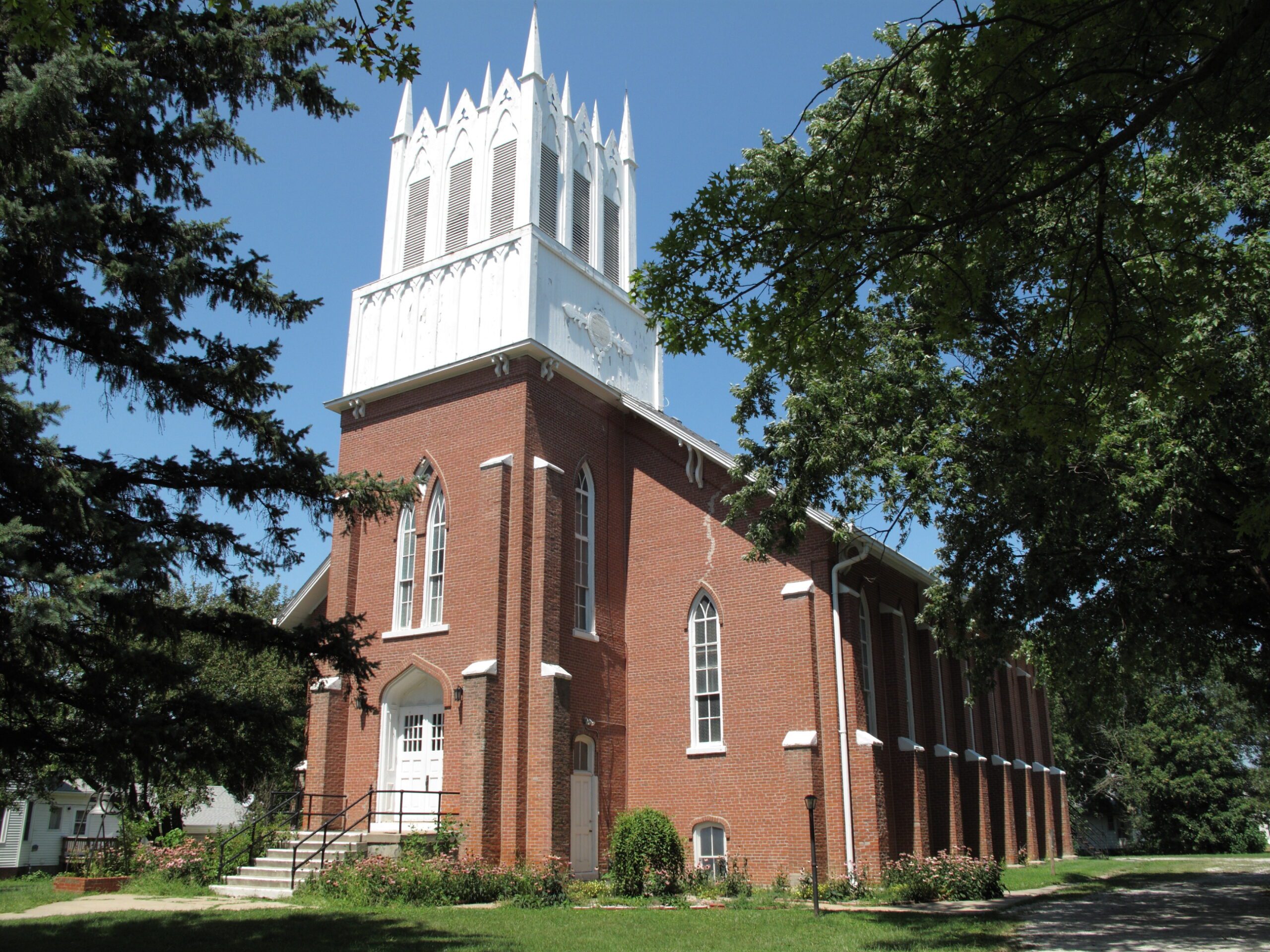
In order to be eligible for the Iowa Historic Preservation Tax Credit program, the building must be eligible or listed on the National Register of Historic Places or be a contributing building within a designated historic district or eligible historic district. Alternatively, a building might be designated as a local landmark or simply be any barn built prior to 1937. A broad range of historic buildings qualify for this program, as this program is not limited to income-producing properties. However, changes in the 2025 legislative session eliminated single family homes as an eligible property type for the Iowa Historic Preservation Tax Credit program.
The Iowa Historic Preservation Tax Credit provides a 25% state income tax credit for the qualified rehabilitation expenditures (QREs) related to the rehabilitation of the historic building. Unlike the federal historic tax credit, the state historic tax credit is refundable, which means that a refund check is issued for any amount over the tax liability for the year. Projects must meet minimum expenditure requirements, which are $50,000 in qualified rehabilitation expenses for a commercial property (or 50% of assessed value, if less) or $25,000 for a non-commercial property (or 25% of assessed value, if less).
Rehabilitation work is required to meet the Secretary of the Interior’s Standards for Rehabilitation, which ensures the building’s historic character is maintained. Qualified rehabilitation expenses (QREs) include work related to any permanent improvements to the building, such as walls, windows, roofs, foundations, structural repairs, interior finishes, and systems. Soft costs, such as architectural fees or consultant fees, also count towards QREs. Non-qualified work includes items such as site work, new additions, and furnishings.
There is a three part application process for the Iowa Historic Tax Credit program:
- Part 1: Evaluation of Significance: Before beginning the project, the property must be reviewed to determine if it’s eligible for the program. Information is submitted to verify that it is listed on the National Register of Historic Places, listed as a contributing building in a historic district, eligible for listed either individually or as a contributing building in a historic district, a local landmark, or a barn built by 1937. An Iowa Site Inventory form is completed and submitted as part of the Part 1 application to verify its eligibility for the program. If the building is not already listed, then information is submitted on the form to establish that it is eligible for listing.
- Part 1.5: Meeting with SHPO: A mandatory Part 1.5 meeting can be scheduled online with the State Historic Preservation Office (SHPO) and Iowa Economic Development Authority (IEDA) for any date at least 30 days after the submittal of a Part 1 application. The purpose of this meeting is to discuss the scope of work with SHPO and get feedback on whether the proposed plans align with the Standards for Rehabilitation.
- Part 2: Description of Rehabilitation: This application outlines the specific work planned for the rehabilitation of the property and demonstrates how the plans align with the Standards for Rehabilitation required for the tax credit. The goal is to ensure that your rehabilitation maintains the historical integrity of the building while making it functional for modern use. The Part 2 application consists of a narrative description of the rehabilitation work, photographs of the “before” conditions of the building, existing and proposed drawings, and an estimate of the total project costs and qualified rehabilitation expenses. The Part 2 application may be approved as submitted or approved with conditions that require some modifications to the scope of work to ensure that it meets the Standards for Rehabilitation.
- Part 2B: Registration Application: This step demonstrates project readiness and financial feasibility after approval of the Part 2 application, resulting in a reservation of a set amount of state historic tax credits based on 25% of the estimated qualified rehabilitation expenses (QREs). Once a Part 2B application is approved and tax credits reserved, a rehabilitation project must be completed within three years.
- Part 3: Certification of Completed Work: After completing the project, documentation of the work done is submitted for final approval and certification, including an extensive set of photographs and total project expenses. Upon approval, a state income tax credit certificate is issued for the year of the project completion. The refundable tax credit is claimed on income taxes for that year.
Part 1 and Part 2 applications for the Iowa Historic Preservation Tax Credit program are submitted electronically through the ESHPO portal of the State Historic Preservation Office at https://iowadca.my.site.com/s. The online forms and additional information are available within the portal. Part 2B and Part 3 applications are submitted electronically through the Iowa Economic Development Authority portion of the Iowa Grants portal at www.iowagrants.gov. The online forms and additional information are available within the portal.
Additional information on the Iowa Historic Tax Credit program is available below.
Interested in advocacy for the Iowa Historic Tax Credit program?
The Iowa Department of Revenue issues a report every five years on the Iowa Historic Tax Credit program as outlined in Iowa Code Section 2.48. Their reports note that historic preservation projects add economic benefit to Iowa, including employment opportunities and wages for Iowa workers and sales of Iowa-sourced goods. Their review of the Iowa Historic Tax Credit program issued in December 2024 is available online at https://revenue.iowa.gov/media/4052/download?inline. The previous report issued in December 2019 is available online at https://revenue.iowa.gov/media/3177/download?inline.
Stay tuned to the Preservation Iowa advocacy page for updates, and become a member to receive email updates related to advocacy for the Iowa Historic Preservation Tax Credit program and other preservation-related topics in Iowa.