
National Register of Historic Places
The National Register of Historic Places (NRHP) is the official list of the nation’s historic places deemed significant and worthy of preservation. Established by the National Historic Preservation Act of 1966, the NRHP is administered by the National Park Service (NPS) under the Secretary of the Interior and managed at the state level through the State Historic Preservation Office (SHPO). It forms a key component of a nationwide program designed to coordinate and support both public and private efforts to identify, evaluate, and protect America’s historical, architectural, and archaeological resources.
The National Register of Historic Places is designed to:
- Identify and recognize significant buildings, structures, sites, districts, and objects that contribute to the understanding of the historical, architectural, and cultural foundations of the country.
- Encourage preservation by documenting significance and promoting awareness of historic resources.
- Provide access to preservation incentives, such as grants, tax credits, and planning assistance.
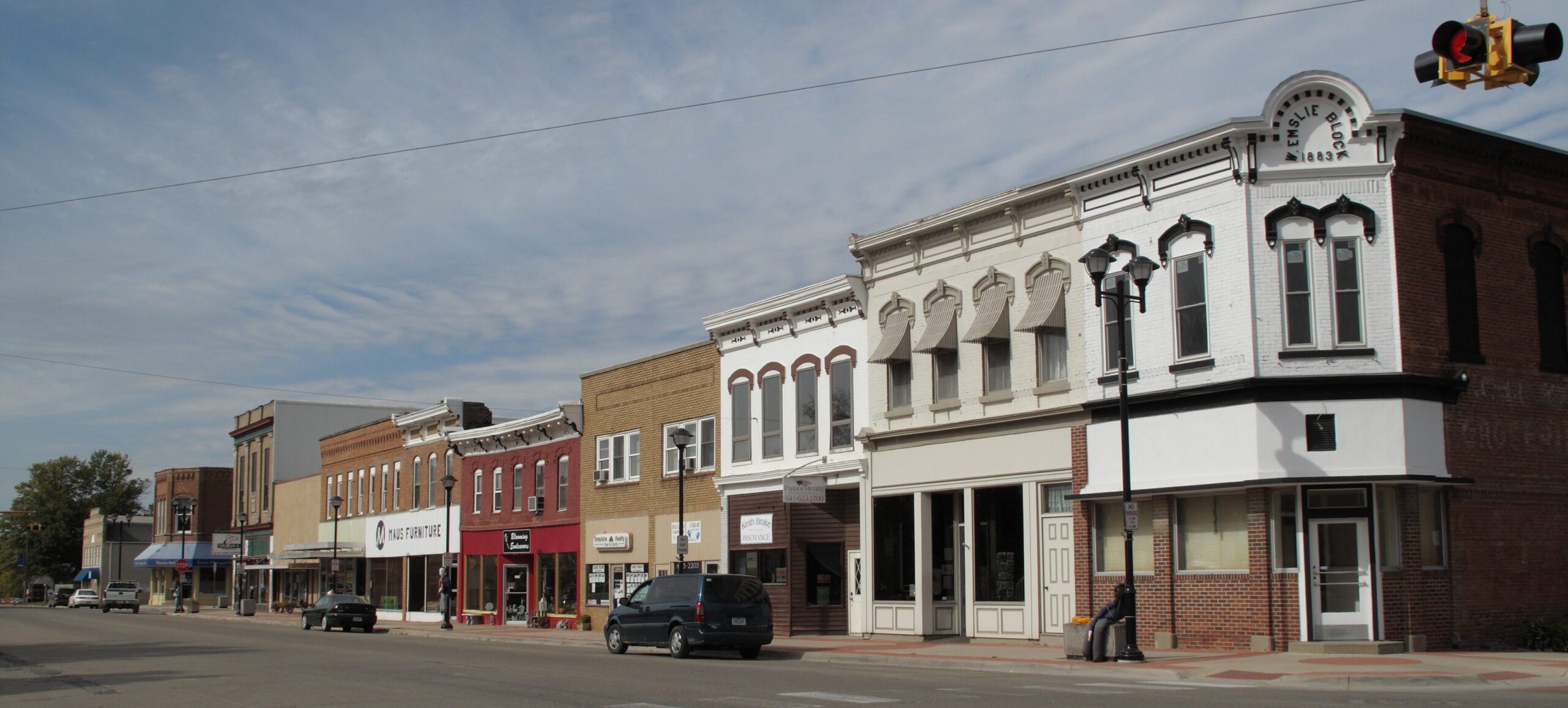
Properties listed in the National Register of Historic Places include buildings, districts, sites, structures, and objects. A property must meet certain criteria related to age, significance, and integrity in order to be eligible for listing. In general, the property must be at least 50 years old in order to be eligible for listing. The property must demonstrate historical, architectural, archaeological, engineering, or cultural significance under one of four established criteria. Finally, the property must retain integrity, meaning it still conveys its historical authenticity through physical features that reflect its period of significance.
Nominations to the National Register of Historic Places may be submitted by individuals, organizations, local governments, or professional consultants. Each nomination is first reviewed by the State Historic Preservation Office (SHPO) to ensure it meets national standards. A professional review board in each state then evaluates the nomination and makes a recommendation regarding its eligibility to the National Park Service. In Iowa, the State Nomination Review Committee meets three times a year (February, June, and October) to review nominations. The National Park Service has final review and approval of all nominations.
There are several benefits to being listed on the National Register of Historic Places
- Recognizes the value of the property to the nation, state, and community
- Increases awareness of the historical significance of the property
- Becomes a tool for local planning, heritage tourism, and education
- Creates eligibility for federal and/or state income tax credits for historic buildings
- Streamlines the process for review for federal projects and federally funded projects
- Qualifies properties for certain historic grants and other financial assistance programs limited to historic properties
Regardless of these misconceptions, listing on the National Register of Historic Places
- Does not ensure preservation or protection of a historic property
- Does not add any additional reviews for work to be done on a historic building
- Does not restrict a property owner’s private property rights to do anything that they wish with their historic property
- Does not require that properties be maintained, repaired, or restored
- Does not stop federally assisted government projects
- Does not guarantee that grant funds will be available for all properties
Properties currently listed on the National Register of Historic Places
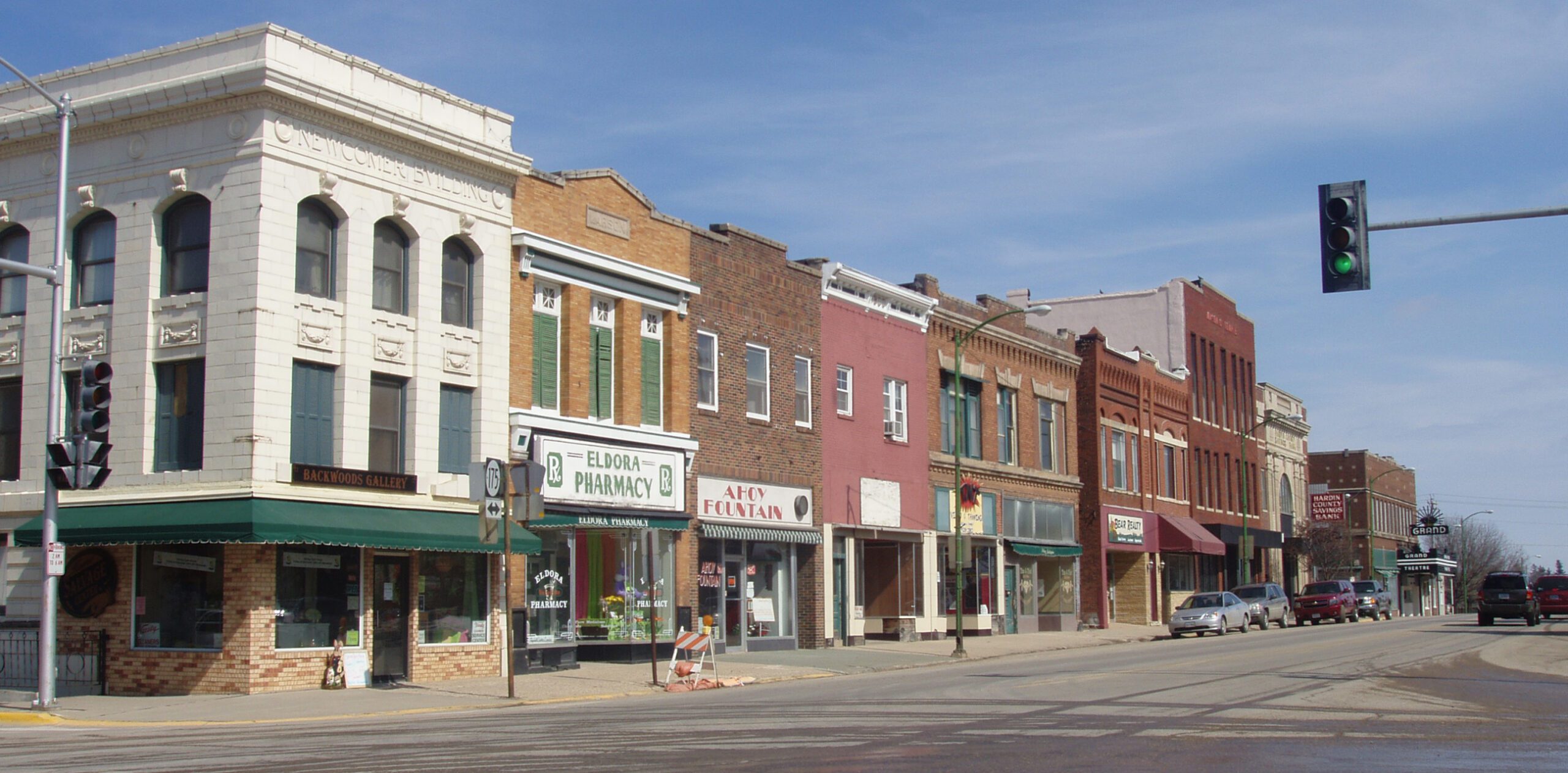
The National Register of Historic Places is sometimes confused with a local register of historic places, which is typically associated with the designation of local historic districts or local landmarks. A local register is established by local ordinance and maintained by a city, county, or municipality to recognize and protect properties of local historical, architectural, cultural, or archaeological significance. These registers are part of broader local historic preservation programs and typically offer stronger protection for historic properties compared to the National Register of Historic Places. The local ordinance may establish additional procedures and guidelines for these properties listed on the local register, such as design review or demolition review, ensuring that changes are compatible with the historic character of the property and its surroundings.
Additional information on the National Register of Historic Places
Interested in nominating a property to the National Register of Historic Places in Iowa? Further information can be found online from the State Historic Preservation Office: