
Researching a Historic Property
Researching historic buildings and sites plays a vital role in preserving the stories, craftsmanship, and cultural identity embedded within them. These places are more than just physical structures. They are tangible links to our past, offering insights into the lives, values, and creativity of those who came before us. By documenting their history and significance, we not only protect them from being forgotten but also foster a deeper appreciation for our collective heritage. This knowledge helps guide responsible restoration, informs public education, and strengthens community pride. In preserving historic buildings and sites, we ensure that future generations can experience and learn from the history that shapes our present.
People research historic properties for many reasons, including:
- Personal Connection: To learn about former owners or family history tied to a property.
- Architectural Interest: To understand a building’s design, style, and cultural significance.
- Rehabilitation or Restoration Guidance: To accurately restore or rehabilitate a property based on historic images and documentation.
- Historic Designation: To support a nomination for listing on the National Register of Historic Places or a local historic register.
- Academic & Professional Use: To better understand aspects of history, architecture, urban planning, or archeology.
- Community Engagement: To tell stories about local history through connections to historic places.
- Preservation Advocacy: To help protect buildings or neighborhoods from demolition or incompatible development.
National, state, and local resources are available to support the research of historic properties, with many now digitized and accessible online. These resources include archival documents, maps, photographs, census records, city directories, and architectural surveys. Where to begin often depends on the specific goal of the research – whether it’s to learn about previous residents, understand its architectural evolution, establish a property’s historical significance for a nomination, or learn more about its role in a broader historical context. Defining the purpose of the research helps guide which resources will be most useful. Taking advantage of both digital and physical repositories ensures a well-rounded understanding of the history of the property.
One valuable starting point for researching a historic property is to check whether it has been listed in the National Register of Historic Places (NRHP) or included in the state inventory maintained by the State Historic Preservation Office (SHPO). Properties listed in the NRHP have an associated nomination form, which provides detailed information about the building’s history, architectural significance, and context within broader historical themes. Similarly, in Iowa, properties included in the state inventory are documented with an Iowa Site Inventory Form, which summarizes the property’s architectural characteristics and known historical background. These documents often offer a foundation of research already compiled and may point to additional sources for deeper research.
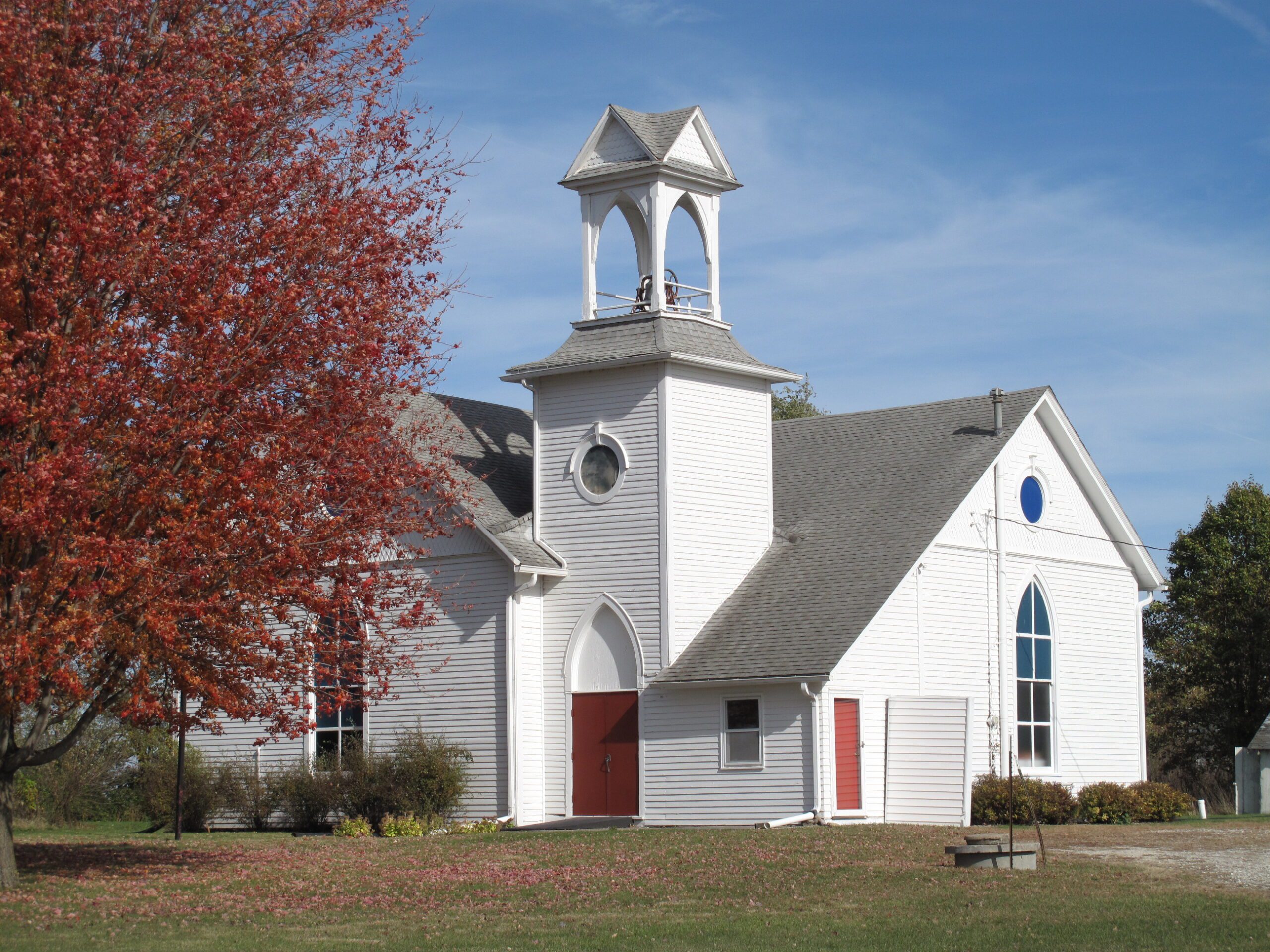
- Properties listed in the National Register of Historic Places, as well as many nomination forms, can be found at: https://www.nps.gov/subjects/nationalregister/database-research.htm
- Properties included in the state inventory in Iowa can be found at: https://shporecords.opportunityiowa.gov/
- Information on these properties in Iowa can be requested by contacting the State Historic Preservation Office through this process: https://opportunityiowa.gov/community/historic-preservation/historic-places-landmarks/historic-archeological-inventory
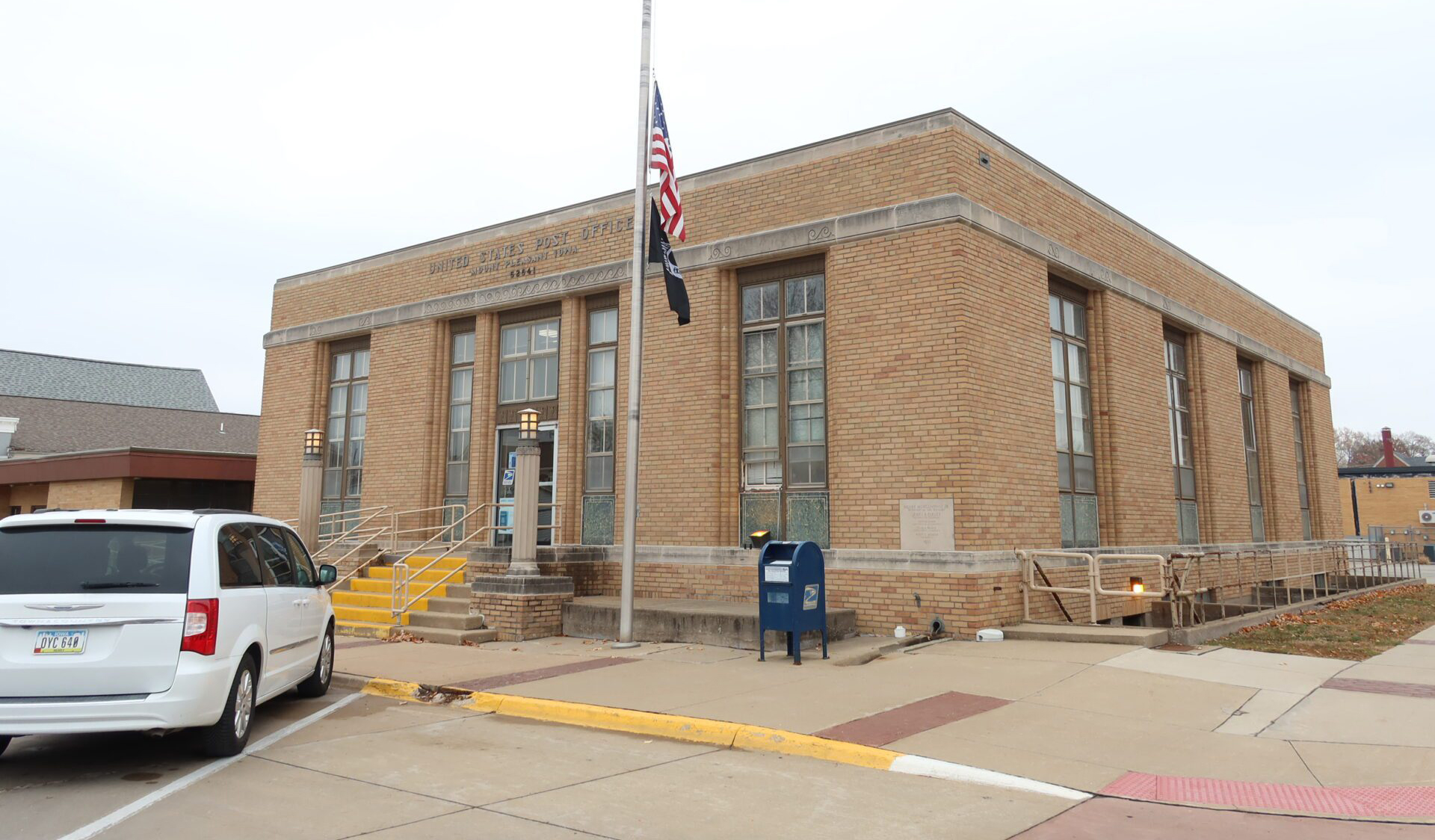
For properties without prior research or documentation, or to uncover additional information about a building’s history and development, several resources can be consulted. Local archives, such as city or county offices, have property records, deeds, and tax assessments that help establish chain of ownership and approximate construction dates. Building permits, if available, may offer clues about alterations or additions. Sanborn Fire Insurance Maps can show changes to building footprints over time. Historic city directories and census records can identify former occupants and their occupations. Local libraries, historical societies, and university archives may contain photographs, newspaper articles, and unpublished manuscripts related to the property or its neighborhood. These resources can provide a clearer picture of a property’s history, architectural evolution, and historical context. Additional information on How to Research a Historic Property is provided for some general guidance.