
Organizational History
Preservation Iowa was founded in 1991 as the Iowa Historic Preservation Alliance by a group of dedicated volunteers seeking to strengthen historic preservation in the state. Over the decades, the organization has evolved into Iowa’s leading nonprofit preservation organization, known as Preservation Iowa. The organization has advocated for legislation such as the state historic preservation tax credit, created programs to enhance historic resources in Iowa, and built partnerships with local, state, and national preservation groups.
The Iowa Historic Preservation Alliance
On June 1, 1991, the Iowa Historic Preservation Alliance was officially incorporated. Volunteer staff laid the foundation for the statewide nonprofit preservation organization by writing and filing articles of incorporation and bylaws. In 1990, a newsletter was launched along with a promotional brochure to generate interest. Throughout the 1990s, Preservation Iowa worked as a planning partner with the State Historic Preservation Office to host statewide history and historic preservation conferences. In 1992, several board members secured a grant and organized the well-received Railroad Conference, attracting railroad and depot restoration enthusiasts. In 1995, funding from an Iowa Community Cultural Grant (ICCG) helped support part-time staff. In 1996, with growing organizational strength and an enhanced relationship with the National Trust for Historic Preservation, the Iowa Historic Preservation Alliance partnered with the Community Organization and Effectiveness Program for strategic planning. The process included evaluations of the community, board, and membership, culminating in a new mission statement and a three-year business plan.
In the early 2000s, a series of executive directors served the organization. With paid staff, Preservation Iowa was able to begin several new programs, as well as expand the content and frequency of the newsletter, The Iowa Preservationists. Iowa Historic Preservation Alliance sponsored or hosted numerous statewide preservation and educational conferences, including The Changing Face of Religion: Its Impact on Church Buildings, Neighborhoods, and Communities (1997), Preserving the Past: Providing for the Future (2000), and Restore-O-Rama (2005). Preservation Iowa also played a key role in the Iowa legislature’s unanimous passage of the state rehabilitation tax credit in 2000. With the board’s decision to use the 501(h) option for nonprofit lobbying, the Iowa Historic Preservation Alliance helped raise the annual cap of the Iowa’s historic tax credit to $50 million in 2009.
Preservation Iowa
In response to the energy and growth of 2008 and 2009, the board of the Iowa Historic Preservation Alliance (IHPA) recognized the need to modernize and refresh the organization’s identity. In January 2010, the organization officially rebranded and started doing business as Preservation Iowa. This new name and logo were developed through a collaborative process led by the Board of Directors, in partnership with Grand View University’s Graphic Arts and Communication Department, the National Trust for Historic Preservation, other statewide nonprofits, and professional branding firms, with valuable input from IHPA members. This move marked the beginning of a new era for the organization, positioning it for continued growth and leadership in historic preservation across the state. The advocacy, initiatives, and programs of Preservation Iowa were summarized in the 2010 Annual Report. Preservation Iowa also launched the Main Street Development Loan Program in 2010, a national pilot project designed to support small business entrepreneurs who locate and grow within selected historic commercial districts, in partnership with local lenders. Throughout the next decade, Preservation Iowa supported several programs and initiatives in Iowa, including working with the State Historic Preservation Office on statewide historic preservation conferences.
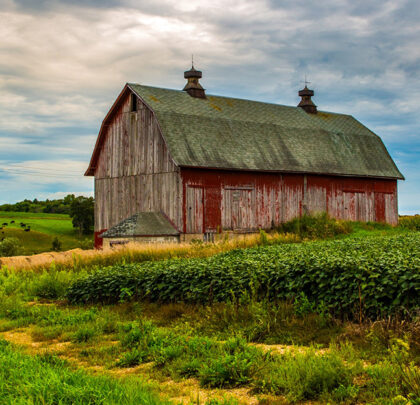
Preservation Iowa has continued to sponsor two of the highest-profile programs: Iowa’s Most Endangered Properties and the Preservation at its Best Awards, both of which have grown and evolved over the years. During its first decade, the organization also promoted several key preservation initiatives, including barns, country schools, and movie theaters. The barn initiative sought to preserve Iowa’s agricultural heritage by inventorying barns in every county. The country school initiative encouraged the preservation of rural schools across the state and hosted an annual statewide conference. The movie theater initiative was launched in 2008 in partnership with the State Historic Preservation Office of Iowa, completing a statewide survey to document Iowa’s rich movie heritage. Additionally, Preservation Iowa developed a disaster recovery initiative to assist communities in protecting and restoring historic properties affected by natural disasters, ensuring that Iowa’s heritage can endure even in challenging times.
In 2025, Preservation Iowa marked a rebirth of the organization and a renewed commitment to its mission, focused on Building on the Past for Iowa’s Future. This tagline highlighted the principle that Iowa’s historic resources should be preserved, rehabilitated, and thoughtfully reused to strengthen communities and shape a vibrant future. The updated logo, brand, and website modernized the organization’s public presence, enhancing its ability to connect with communities, preservation advocates, and stakeholders across the state. The new website serves as an accessible hub for news, resources, and programs, providing expanded tools to support preservation efforts in every corner of Iowa. The refreshed visual identity highlights Preservation Iowa’s ongoing dedication to celebrating historic places, supporting preservation initiatives, and inspiring the next generation of preservationists. As Iowa’s leading nonprofit historic preservation organization, Preservation Iowa continues to combine advocacy, education, and programs to protect, rehabilitate, and promote the state’s irreplaceable historic resources – ensuring that the legacy of the past actively contributes to Iowa’s future.